

















Hiking isn’t just about the adventure anymore - it’s about looking good while doing it. With the growing popularity of hiking in the U.S., more people are hitting the trails, whether for a challenging climb in the mountains or a casual weekend trek with a coffee in hand. Active plans have become the new social plans, and with that, hiking fashion has evolved.
Enter gorpcore—the trend that’s brought technical outdoor gear into our everyday wardrobe rotation. Think shell jackets, matching sets, baggy cargo pants, and the latest hiking shoe drops. No longer just about outdoor practicality, hiking outfits now blend function with fashion, proving that performance wear can be just as stylish as it is practical.
From cute hiking outfits for an easy loop, to a warm-layered look for winter-hiking (or a mix of both), the key to looking stylish on the trails is finding pieces that keep you comfortable, prepared, and looking effortlessly put together. Taking inspiration from your outdoorsy faves on TikTok, this guide will help you build the perfect hiking outfit, one that’s comfortable, performance-focused and stylish enough to wear on and off the trails.
How To Build A Functional Yet Stylish Hiking Outfit
Your step by step guide to stylish layering for the trails.
Sports Bras
Every hiking out for women starts with a supportive sports bra. Light to medium support sports bras are sufficient for those who need less support or are casual hikers, but for high-intensity trails, it’s time to step the support up with a high-support sports bra.
Choose moisture-wicking, breathable fabrics and look for features like mesh details that will improve airflow. Simple designs and flat-lock seams will help keep you comfy step by step. For summer hiking outfits, you may choose a cute strappy sports bra as your only layer to keep you cool while offering the right level of support for movement. Just don’t forget to lather on the SPF!
Check out our sports bra size guide to find your perfect fit.
Baselayers
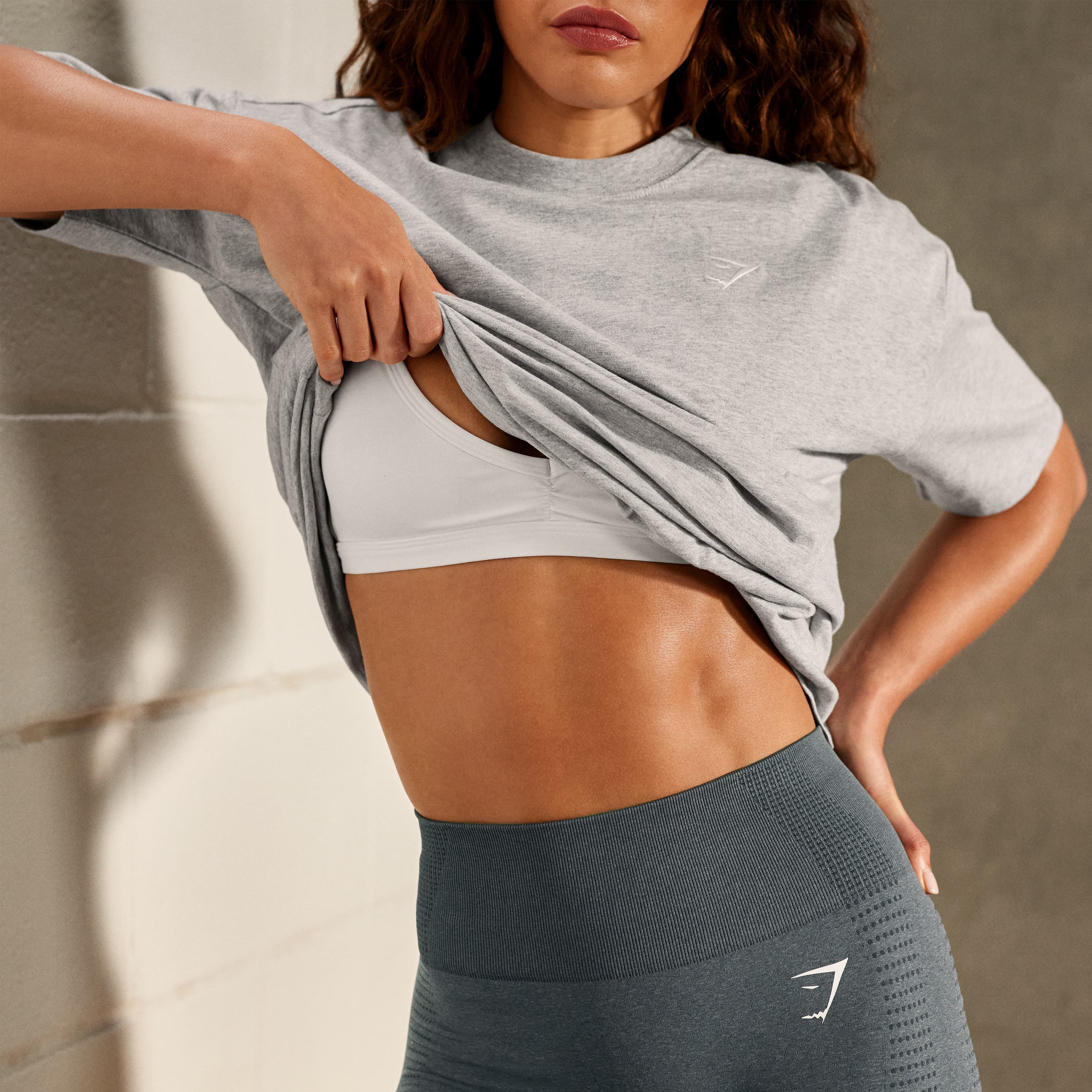
A good baselayer is where your stylish hiking outfit formula really starts. Baselayers sit close to the skin so should always be moisture-wicking to prevent overheating or sweat cooling down and making you cold. Opt for lightweight tank tops for warm weather walks, sweat-wicking t-shirts for the mid-season or long-sleeve base-layers for cooler hikes to add warmth without bulk.
Depending on the weather, your base layer may or may not be on show. For those who want each layer peeping through, consider wearing different fabrics to add dimension and interest to the outfit. For instance, performance-fabrics or merino baselayers are great for pairing with different textures like sherpa and shell for stylish yet practical layering.
Midlayers
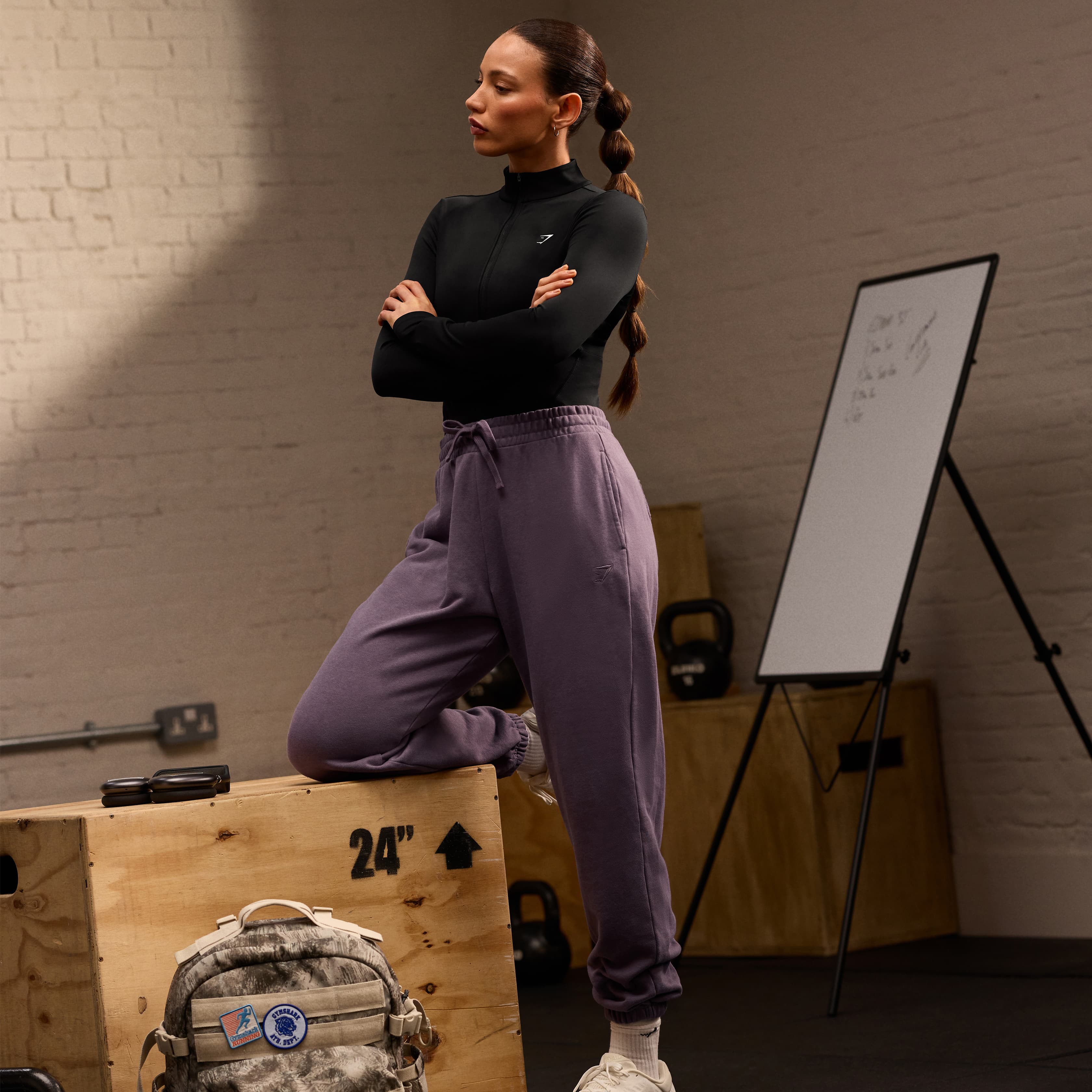
Midlayers are great for adding insulation and versatility to your hiking outfit. Thin-fleece pullovers and lightweight zip jackets are perfect for layering when temperatures fluctuate and are easy to remove. For hiking in mild temperatures, a midlayer might be your final layer, so a stylish 1/4 zip sweater or full-zip jacket in a shorter boxy length is a great way to add a fashionable touch to the outfit.
Outer Layers
You’ll need a good outer layer to keep you protected when heading out into the elements. For those who hike no matter the weather, it’s important that your gear can keep up with you and keep you and your clothes dry from the wind, chill, rain or snow. Look for waterproof raincoats, windproof shell jackets and insulated options for colder hikes. For serious hikers, jackets are where you need to get the most technical, as proper hiking gear features innovative technology to protect you from a host of weather conditions. Fleece and sherpa jackets also work a treat for chilly hikes that don’t require protection from rain or snow and can be a stylish option in the winter.
Hiking Pants/Shorts
When it comes to hiking pants, it’s all about the weather. For the cold weather, it’s time to layer up with baselayer leggings and weather-resistant pants. Fleece-lined hiking pants are a great choice for winter hiking, along with thick leggings for added insulation. For transitional weather, convertible walking pants give you the versatility of shorts and pants for changing weather conditions. For a trendier option, baggy parachute hiking pants give a streetwear feel while remaining functional for hiking.
During the warmer weather, this is when you might want to switch to shorts to stay cool on the trains. Stylish summer hiking options include biker shorts and chunky hiking socks combo, or cargo shorts and midi-walking boots.
Footwear
The right footwear will make or break a hike. Ever seen someone on a tough climb wearing normal sneakers? Not a good idea. Hiking footwear is technically designed for support, grip and and comfort to tackle long hikes and tough terrain. Trail running shoes or hiking sneakers are a good option for casual, easy trails, while waterproof insulated hiking boots will carry you through more challenging tracks. Many brands offer hybrid boots that blend the style of a traditional hiking boot with a pair of sneakers for a sportier design that offers more wearability for day-to-day activities.


4 Cute Hiking Outfits For Different Types of Trails
1. Summer Hiking Outfit (Lightweight & Breathable)
Outdoor activities in the warm weather call for fresh, effortless looks perfect for beating the heat while staying cool and comfortable. Designed for high temperatures, summer hiking outfits should maximize breathability, utilize moisture-wicking tech and provide sun protection to keep you feeling safe and energized on the trail.
Best for: Summer hikes, desert trails, and humid conditions.
Top: Choose a breathable, moisture-wicking tank or a stylish sports bra for a laid-back, athletic vibe. Choose UPF-rated materials for added sun protection where you can and opt for mesh panels or open-back designs to increase airflow.
Bottoms: Stretchy, comfortable shorts that move with you. High-waisted biker shorts provide coverage and prevent chafing, while lightweight hiking shorts with built-in liners add functionality for longer treks. Pockets are always a bonus!
Footwear: Lightweight trail running shoes or light hiking boots with quick-drying properties are great for keeping your feet cool. A breathable mesh upper helps prevent overheating, while grippy outsoles ensure stability on sandy or rocky paths.
Accessories: A cap and lightweight sunglasses are essential for summer hikes to shield you from the sun. Don’t forget a hydration pack or water bottle sling for staying hydrated on sweltering days and longer hikes.
Switching a hike for a run one sunny weekend? Stay cool, and safe with our complete guide on what to wear for hot weather runs.
2. Layered for Changing Weather (Spring/Fall Hiking)
Master the art of layering with an outfit that adapts to fluctuating temperatures and unpredictable conditions. It’s all about choosing lightweight layers that will keep you warm in chilly mornings yet breathable when the sun peaks in the afternoon. The milder seasons offer the best weather to wear your technical shell jackets, choose a scenic route, and get the snap.
Best for: Transitional weather, morning-to-evening hikes.
Top: Start with a lightweight t-shirt or breathable long sleeve for versatility depending on the temperature. Opt for a merino wool or moisture-wicking synthetic blend that regulates body temperature without overheating. Choose lightweight mid layers like thin sweaters or 1/2 zip fleece pullovers.
Bottoms: Woven hiking pants with stretch or convertible zip-off pants for adaptability. If you prefer shorts, opt for a pair of pocket biker shorts and wear them with some chunky high walking socks for added warmth.
Outerwear: A sleek, packable zip-up jacket for wind resistance and light rain. Or for cooler conditions, consider a softshell or windbreaker with a water-repellent coating to stay dry.
Footwear: Spring and Fall can throw all types of weather at us. So choose waterproof hiking boots with good ankle support to handle various terrain and potential muddy patches.
Accessories: You’ll need somewhere to keep your layers, and stylish hiking backpack is perfect for storing extra layers and snacks. Fingerless gloves and a lightweight beanie will help trap in the warmth during chilly starts without causing overheating later in the day.
3. Urban to Trail (Casual Adventure & Light Hiking)
For those days when your hike is more about the aesthetic than the altitude gain, this cute hiking outfit idea blends gorpcore fashion with trail-ready function. It’s perfect for a scenic trail walk followed by brunch or errands in town when your hiking fit transforms to your all-day outfit.
Best for: City hikes, national parks, and mixed-terrain walking.
Top: Wear a cropped long-sleeve top or hiking tank top for a stylish, sporty, yet effortless vibe. Pair with a stylish sports bra in case the weather calls for removing layers.
Bottoms: Flowy hiking pants or cargo joggers with adjustable waistbands for a relaxed, put-together look. If opting for hiking leggings, go for a sleek, seamless pair that transitions easily from trail to street.
Outerwear: A lightweight hooded windbreaker or cropped fleece for layering. Earth-tone neutrals or color-block prints will add a trendy edge to the outfit.
Footwear: Chunky trail sneakers or relaxed hiking boots for a streetwear-meets-outdoor feel. Heard of leopard print hiking boots anyone?
Accessories: Choose a stylish crossbody bag for essentials. Sporty wraparound sunglasses and an oversized cap will complete the Gorpcore-inspired look.
4. Winter Hiking Outfit (Mountain Trails)
For hikes in frosty temperatures, layering is everything. Winter hiking outfits need to be built for warmth, wind resistance, and moisture management to keep you comfortable, yet agile enough so you can move with ease. Choose thin, protective layers and always bring an extra layer, it’s better to be able to take layers off than not have them at all.
Best for: Snowy trails, winter hikes, cold-weather trekking.
Base Layer: Choose a long-sleeve baselayer with sweat-wicking properties to keep your core warm and dry. Look for merino wool blends or technical fabrics for optimal insulation.
Mid Layer: A toasty mid-layer like 1/4 zip insulated fleece or zip-down jacket will provide necessary warmth without bulk.
Bottoms: Thick hiking leggings (for the start of winter) or fleece-lined hiking pants are your best option for providing warmth without sacrificing mobility. Make sure your hiking trousers have water-resistant coatings to help keep snow and moisture out.
Outerwear: This is serious jacket territory now. For winter hikes, look for thick insulated jackets with windproof and waterproof technology and down or synthetic puffers for sub-zero conditions. Ensure your jacket has a hood for extra protection and warmth.
Footwear: Choose insulated waterproof hiking boots with deep treads for grip on icy or snowy surfaces. For really snowy terrains, gaiters can be added to prevent snow from getting into your boots.
Accessories: Thermal gloves, a fleece-lined beanie, and a neck gaiter are essentials for trapping body heat. Don’t forget sunglasses or goggles if hiking in bright, snowy landscapes… they’ll make the shot too.
Gorpcore Fashion | What To Wear Hiking
What started with hardcore adventurers has made its way to streetwear, blending technical gear with effortless style. Gorpcore is a hit on and off the slopes. Urban wardrobes now consist of technical shell jackets, parachute pants, and trendy hiking shoes worn for day-to-day activities. Here are our top tips to make gorpcore fashion work for you, and stay stylish while hiking.
FAQ
What is gorpcore?
Gorpcore is an outdoor-inspired fashion trend taken from hiking the term ‘Gorp’ which stands for “good ol' raisins and peanuts” or “granola, oats, raisins, peanuts”. The outdoorsy aesthetic has been huge on social media over the last 4-5 years, but the term Gorpcore was actually coined in 2017 by Jason Chen in a 2017 article for The Cut Magazine [1]. It describes an aesthetic that blends technical hiking gear with everyday streetwear. It incorporates functional materials like Gore-Tex, fleece, and nylon while emphasizing practical yet stylish layering.
What is the best outfit to wear when hiking?
The best hiking outfit truly depends on the conditions, but a moisture-wicking base layer, comfortable hiking pants, and durable footwear are essential for any hike. Layering is key for keeping warm in the cold weather, while accessories like hats and sunglasses are a must for extra protection on sunny trails. At the end of the day the aim is to feel comfortable, looking stylish is a plus, but with the right pieces you can shop from this article, cute hiking outfits will be a breeze.
Do I need to wear a bra while hiking?
Yes, a supportive sports bra is recommended for comfort, movement, and sweat management when hiking. Low-impact sports bras may be enough for those going on short city hikes or with smaller chests, but for those who need more support, are hiking more intense trails or wearing a sports bra as your only layer, we’d suggest choosing medium or high-impact options. Look for moisture-wicking and breathable materials to stay dry and irritation-free. To find your perfect fit, check out our sports bra size guide.
What is the 3-layer rule for hiking?
The 3-layer rule for hiking starts with a moisture-wicking base layer, followed by an insulating mid-layer, and lastly a weather-resistant outer layer. This layering system ensures comfort in various weather conditions and helps regulate body temperature. Of course, you can add and take layers off depending on the weather, but this is a great guide to follow to stay comfortable on the trails.
Should I wear leggings or pants for hiking?
Both leggings and pants have benefits, and it really comes down to your personal preference. Hiking leggings offer flexibility and comfort for casual hikes and can be a stylish option for those who like athleisure dressing. Hiking pants, on the other hand, provide extra durability and protection for more hardcore hikes, and can often be converted to shorts, offering the best of both worlds. Why not combine them both for cold-weather hikes?
What is proper hiking attire?
Proper hiking attire uses technical fabrics to help regulate temperature, wick moisture away, prevent chafing and protect you from the elements. Hiking gear is designed for movement, with flexibility and durability for all types of terrains.
Avoid cotton for hiking, as it absorbs sweat and dries slowly which will leave you soggy and uncomfortable. Instead, opt for moisture-wicking synthetics or merino wool for breathability and temperature control. Look for functional features like zipped pockets ventilation panels, adjustable cuffs and toggles to tighten for extra practicality, keeping you prepared for changing conditions.